Buying a used tent hall: what to check
A used tent hall can be a bargain, but only if the frame is sound, the cover has years left and the structure is designed for the snow and wind loads at your site. Check these points before you pay, and compare the total cost with a new hall built to your size.
Check the frame
- Corrosion: look at base plates, welds, bolt holes and the inside of tubes. Hot-dip galvanised steel resists corrosion for decades; rust on bare or painted steel spreads.
- Bent or repaired members: a dented arch or purlin carries less load. Damage after heavy snow or a storm is a warning sign.
- Completeness: count arches, purlins, bracing, base plates, bolts and anchors against the original parts list. Missing parts are expensive to make again.
- Size: a used hall comes in its own span and height. Extra bays only fit if the same system is still made.
Check the PVC cover
- Age and fabric: ask for the year and the fabric weight (g/m²). PVC membranes age with sunlight; see how long a tent hall lasts.
- Damage: tears, worn edges, open welds, mould and brittle spots, especially where the cover touched the frame.
- Fit: a cover is made for one frame; covers from another system rarely fit.
- Fire classification: ask for the certificate (for example B1 or M2) if your use or your insurer needs it.
Budget for a new cover if the old one is near the end of its life.
Check the documents
- Structural calculation: it must cover the snow and wind loads of your site, not only of the place where the hall stood before. A hall designed for a mild region may not be allowed in a snowy one; see snow and wind loads.
- Drawings and assembly manual: without them, re-erection is slower and riskier.
- Manufacturer and type: so that spare parts, extra bays and a new cover can be ordered.
- Permit: at its new site a used hall needs the same permit as a new one; see permits.
Count the hidden costs
| Cost | What to ask |
|---|---|
| Dismantling | Who takes it down, and who pays for it? |
| Transport | How many trucks, and how far? |
| Repairs and missing parts | New cover, bent members, bolts, anchors |
| Structural check | A new calculation for your site, if needed |
| Re-erection | Crew, crane or telehandler, and time |
| Base | Anchors, blocks or a slab at the new site |
Add these to the asking price and compare the total with a new hall of the size you actually need: the cost calculator gives an indicative price in a minute. A new hall comes with a structural calculation for your site and the manufacturer's warranty terms.
When a used hall makes sense
- It is nearby, complete, fairly recent and the right size.
- Its structural calculation covers your site, or its manufacturer can confirm it does.
- You have the people and the equipment to take it down and put it up again.
Otherwise a new hall built to your size is often the safer choice. Compare also buying or renting.
Frequently asked questions
How much does a used tent hall cost?
+
Prices vary widely with age, size, condition and location. Add dismantling, transport, repairs and re-erection to the asking price before you compare it with a new hall in the cost calculator.
Can a used tent hall be moved to a snowier region?
+
Only if its structural calculation covers the snow and wind loads there. Otherwise the frame may need reinforcing, or it may not be suitable at all.
How long does the PVC cover of a used hall last?
+
It depends on the fabric, the climate and the care it had. See how long a tent hall lasts and the maintenance checklist.
Further reading
Buy or rent a tent hall?
Work out the break-even point for your project.
How long does a tent hall last?
Frame and cover lifespan, and how to extend it.
Tent hall maintenance checklist
Simple checks that make a tent hall last longer.
Wind and snow loads on tent halls
What loads mean for frames, anchoring and safe use.
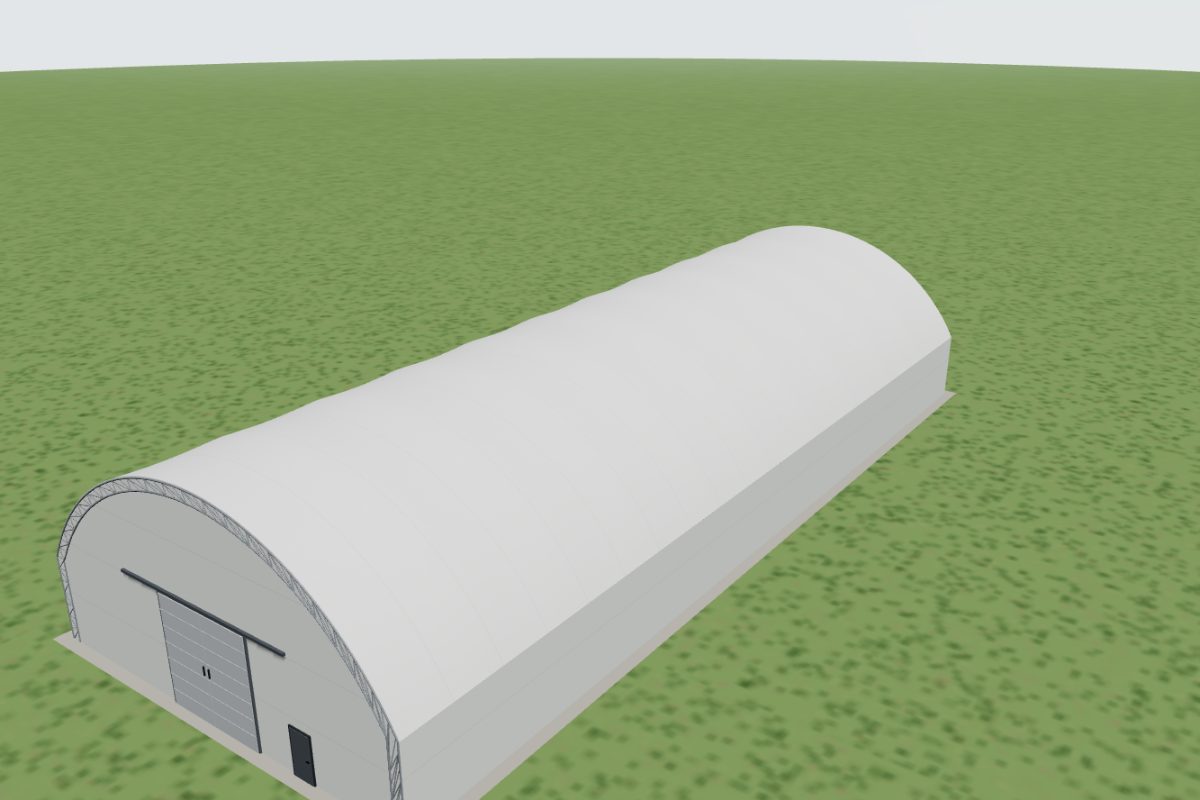
Tent cost calculator
An indicative price range for your tent in seconds.
Ready to plan your tent?
Design it in 3D in a few minutes, see an estimate and request offers. Free and without registration.